
I’ve just started my Christmas shopping (late I know) and I started to wonder how much parents spend on their children at Christmas, and if there’s a typical amount spent on each child.
The survey says…
A recent report by YouGov showed that households will spend on average £822 on Christmas this year, £54 up on last year. The survey reported that the UK’s total spend will be around £22.3 billion, with £599 being spent on gifts, £180 on food and drink, and £43 on cards, decorations and trees. This is 6.6% up on last year.
How much of that £599 on gifts will be spent on children?
Another survey reported in The Independent found that mothers were spending an average of £275 on each of their children alone for Christmas, with presents for other people, food and drink, and decorations on top!
Crikey!
Does this sound like your spend this Christmas, or will you be looking at more or less?
Three figures £££
This figure varies depending on what you read but there’s no escaping the fact that a large percentage of parents spend a significant amount, typically three figures, on their children’s presents at Christmas.
But why spend so much on your child?
It’s very easy to question why the high spend on your children but as a mum I know it’s also all to easy to get swept along in the madness of wish list’s and shopping and have-you-bought-an-equal-amount–for-each-child, and -oh just one more present each you know they’ll love!
They’ve asked for the latest toy, newest gadget, tablet, iphone, camera, or designer clothes, so what do you do?!
The survey questioned 2000 UK mums and found that 70% felt under pressure to spend a significant amount on Christmas, and I can understand why. If every advert on TV at this time wasn’t asking you to ‘spend spend spend’ then you’d stand a better chance.
One question I have though, in all this spending, does a more expensive gift make your child happier?
Ooh, controversial. I believe it depends on the age of your child.
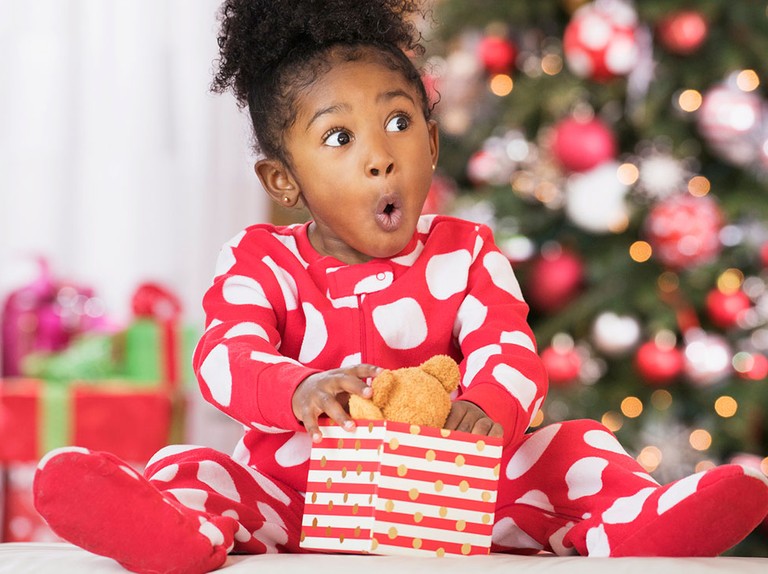
When your children are young they are generally easily pleased and it’s tempting to buy them far too much. I recall the Christmas when my three year old daughter sat and opened present after present not really paying much attention to each but swiftly moving on to the next! How often are very little ones just as happy, if not happier, with the box the present came in.
It gets more tricky as they get older and feel the pressure from peers and advertising to have the latest possessions and the ‘right’ clothes.
However, it’s even more important at this age for children to understand the value of money and how we have to work hard for it and therefore they should appreciate the gifts bought for them, rather than having expensive gifts handed over too easily.
Read the YouGov survey here https://yougov.co.uk/news/2013/11/11/british-households-plan-spend-820-christmas/


