
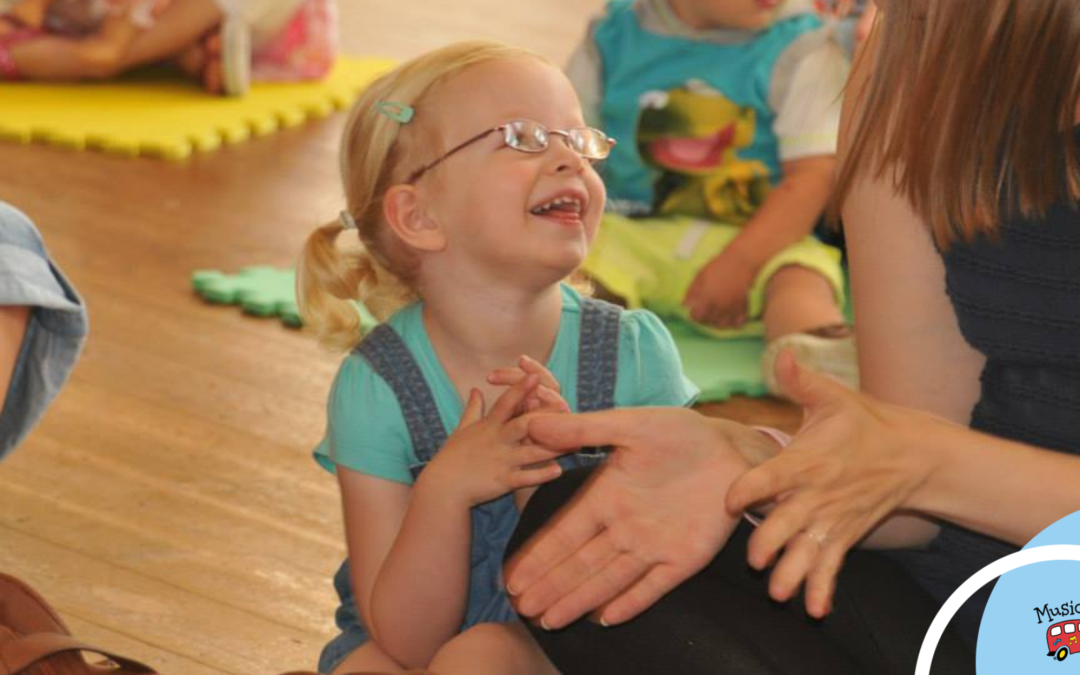
The Magic of repetition: Why Babies and Toddlers thrive on repetition in learning
Do you find your toddler asking to sing the same song, or read the same book, over and over again, and just how much they love it? (Even though it may feel like Groundhog Day for you!)
As adults, we might tire of the repetition, but for babies and toddlers, it’s a crucial part of their learning and development. In settings such as children’s music classes, repetition isn’t just a strategy, it’s the foundation for growth. But why do our little ones crave repetition, and how does it benefit their cognitive, social, and emotional development? Let’s explore the fascinating reasons behind this phenomenon.
What’s The Science Behind Repetition
- Strengthening Neural Connections: Babies are born with billions of neurons, but the connections between them need to be established and strengthened. Repetition helps to solidify these connections. Each time a baby hears a song or a rhyme, the neural pathways associated with that experience are reinforced, making it easier for them to remember and understand the information.
- Building Memory: Repetition aids in the development of both short-term and long-term memory. For infants and toddlers, the repetitive nature of songs, stories, and activities helps transfer information from short-term to long-term memory, making it accessible for future use.
- Language Acquisition: Language development is one of the most significant milestones in early childhood. Repetition of words, phrases, and songs helps children learn new vocabulary, understand sentence structure, and improve their pronunciation. Through repeated exposure, they start recognising patterns and sounds, which is fundamental for language acquisition.
Emotional and Social Benefits
- Sense of Security: Familiarity breeds comfort. When babies and toddlers encounter the same songs and activities, it creates a predictable environment, helping them feel safe and secure. This sense of security encourages them to explore and engage more freely in their surroundings.
- Building Confidence: Mastery comes with practice. As children become familiar with repeated activities, they gain confidence in their abilities. Singing the same song or performing the same dance move allows them to experience success, boosting their self-esteem.
- Bonding and Social Interaction: Repetitive activities often involve social interaction, whether it’s singing with a caregiver, participating in a group class, or engaging in call-and-response songs. These interactions are essential for developing social skills and forming bonds with others.
The Role of Repetition in Music Classes
Children’s music classes provide a perfect example of how repetition is used to foster learning and development.
- Musical Patterns and Rhythms: Music naturally involves repetition. Rhythms, melodies, and lyrics often repeat, making it easier for children to catch on and participate. This repetition helps children develop a sense of timing, rhythm, and melody.
- Interactive Learning: Repetition in music classes often involves actions, dance moves, or instrument play. These physical repetitions help with motor skill development and coordination. Additionally, engaging in group activities helps children learn to follow instructions and work cooperatively.
- Language and Cognitive Development: Songs with repetitive lyrics enhance language learning by introducing new words and concepts in an easily digestible format. Cognitive skills such as counting, sequencing, and memory are also honed through repetitive musical activities.
Practical Tips for Parents
Here’s some ideas you could do at home with your little one:
- Incorporate Repetition in Daily Routines: Integrate repetitive songs, rhymes, and activities into daily routines. Whether it’s a morning song, a cleanup jingle, or a bedtime story, consistency is key. Here’s some ideas you could do at home with your little one
- Engage Multiple Senses: Combine auditory repetition with visual and tactile experiences. Use props, gestures, and instruments to make the repetition more engaging and effective.
- Be Patient and Enjoy the Process: Embrace the repetition. Understand that while it might be monotonous for you, it’s incredibly beneficial for your child. Enjoy the joy and excitement they express with each repetition.
Repetition is a powerful tool in your child’s development. It lays the foundation for cognitive growth, language acquisition, and emotional security. In the context of children’s music classes, repetition transforms learning into a fun, engaging, and profoundly enriching experience. So, the next time your little one asks to hear “Twinkle, Twinkle, Little Star” for the tenth time in a row, remember—they’re not just enjoying the melody; they’re building their brain, word by word, note by note.


